If you follow us on our socials you know that every day in the month of March, T has been spotlighting films written and directed by women to celebrate ‘Women’s History Month’. Since today is ‘International Women’s Day’, we thought we would elaborate on this by highlighting some of our favourite films written and directed by women, as well as bringing attention to some wonderful women making waves in cinematography because it is just as important to celebrate women behind the camera as well as in front of the camera. A lot of the films we have recommended below are focused on telling stories of WOC and the LGBTQ community, because as important as it is to tell stories that celebrate and are centred on women, we are also firm believers in intersectionality when it comes to on-screen representation. This is just a very small selection of films from female filmmakers we happen to love, there are many more films and we still have a long way to go when it comes to representation behind and in front of the camera but we hope you enjoy these. Happy International Women’s Day!
Girlhood (2014) – Dir./Writer Céline Sciamma, Cinematographer Crystel Fournier

A coming of age story focused on female friendship which features Black 2nd generation teenagers at the forefront of the story with a dark-skinned Black girl (newcomer Karidja Touré) in the lead role, something which is unfortunately still incredibly rare to see in coming of age films and other genres of film. The film is made with great care and empathy, examining the lives of these girls living in an inner city neighbourhood in Paris with no judgement, just honesty and true female friendship. There’s a memorable scene in the film which is a particular stand-out in which the core group of friends dance to “Diamonds” by Rihanna (remember when Rihanna made music?) which is brimming with so much love, joy and elation, showing how these girls are their own light in a cold, harsh world.
Nomadland (2020) – Dir./Writer Chloe Zhao, Based on Book by Jessica Bruder
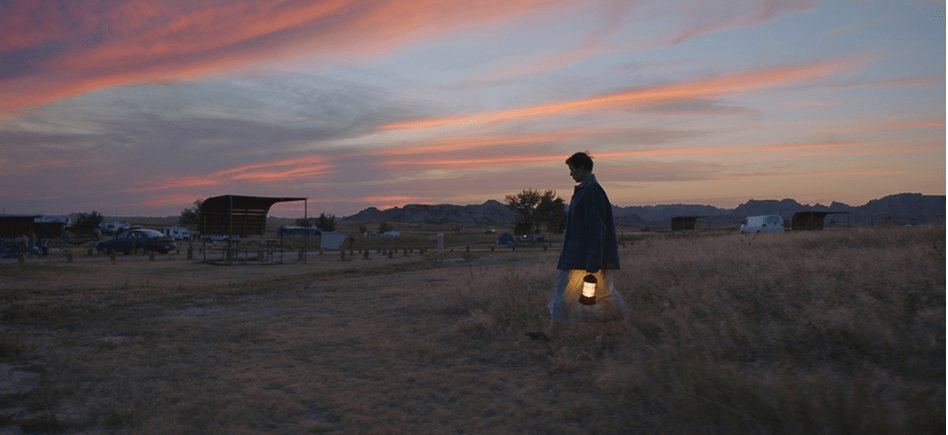
Nomadland follows Fern, a widow who decides to adopt a Nomadic way of living when her life is uprooted when the company town she has lived in her entire adult life suffers from an economic collapse. We follow her as she figures out what the next chapter of her life looks like. It is a wonderful character study into what life looks like when we are forced to face the unknown. Fern constantly struggles between the life she has known, the new journey she has chosen and the prospect of returning to a ‘normal’ domestic life by way of her sister and David, a man she meets on the road with clear interests in her. Chloe Zhao’s work on this film is second to none; there is specifically a scene where you can see Fern in a tug-of-war between her loyalty to her late husband and the prospect of finding a family with David and a sense of home. Zhao is already raking in the nominations and wins for this project and I hope this momentum can carry her to a well deserved Oscar win (yes Academy, I am looking directly at you).
Pariah (2011)– Dir./Writer Dee Rees
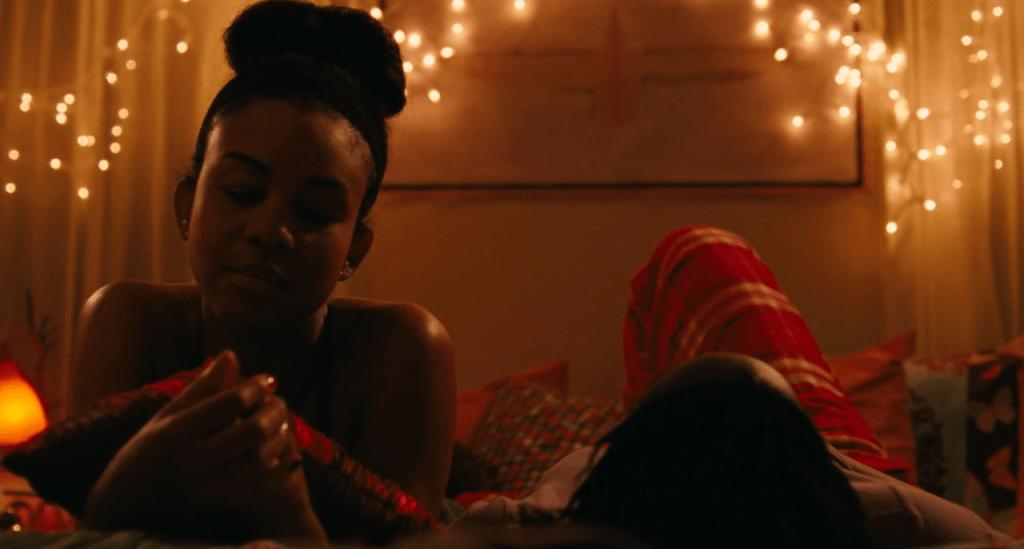
A touching coming of age story which whilst it treads on familiar themes of growing up and feeling misunderstood or like an outsider, especially as a teenager, does so through the lens of a young Black, lesbian teenager. Film as a medium can be powerful in how it allows people, especially those from groups not usually represented on-screen, to see themselves and their stories told so they feel seen and less alone, and ‘Pariah’ is such a film. It explores Alike’s struggles with her sexual identity with care and humanity to tell a story that is personal to Dee Rees, and that she has described the process of writing and making as being “cathartic”. The writing and masterful directing are only further elevated by Adepero Oduye’s wonderful, understated performance in which she’s able to show so much of Alike’s inner world through the big things like her words and actions, but also in the little things like her minute facial expressions and the way she carries herself.
Mudbound (2017)– Dir. Dee Rees, Cinematographer Rachel Morrison
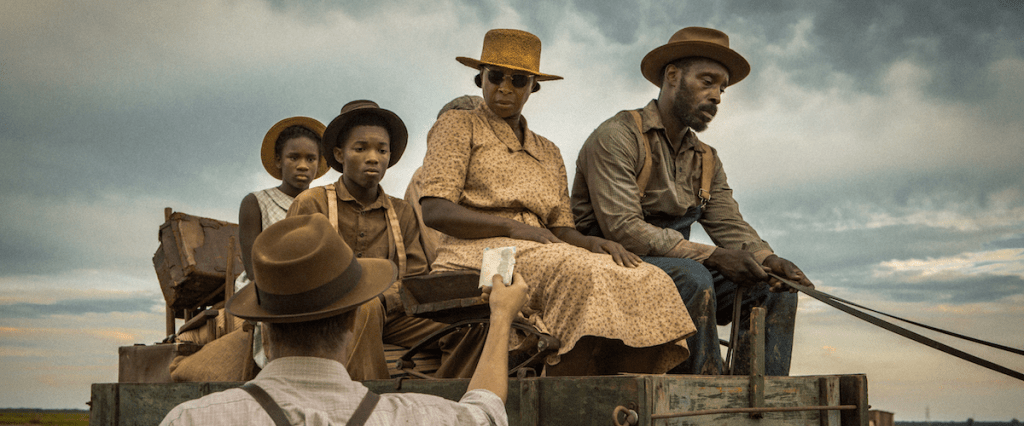
Post-WWII, two men, one white and one black, return to rural Mississippi and are forced to share a patch of land between their families as they struggle to find their feet after the war. It’s a movie that largely centers the prospect of comradeship we see between the two men and their families and the inevitabile roadblocks that would be attached to these men as a product of their race, location and as a result of the time. There is a specific scene in the film that really highlights the realities of racism and the KKK which stood out; too often Hollywood has a neat bow around what they find cruel yet watchable enough to highlight racism and it does not give a clear enough representation of the true atrocities Black people were experiencing at the time. This project was not only a big moment for Dee Rees as a director but it was also a monumental moment for Rachel Morrison, who became the first woman nominated for a cinematography Oscar.
Saving Face (2004)– Dir./Writer Alice Wu
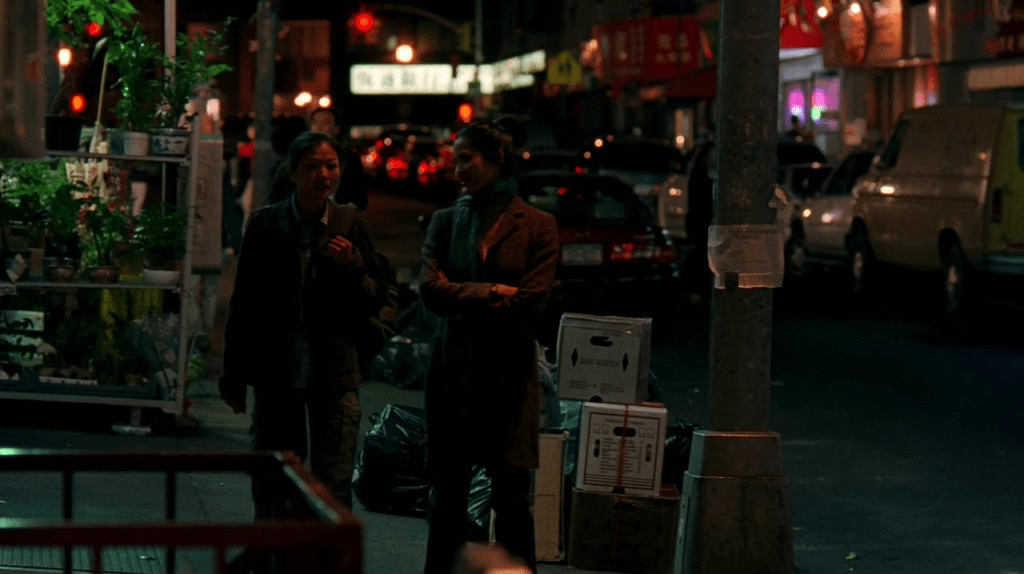
A genuinely heart-warming, tender film that primarily focuses on a mother-daughter relationship. When it comes to sapphic films they tend to be one of two things: overwhelmingly White, or they tell a story that ends in tragedy or heartbreak in one way or the other. This film is neither of those things, firstly the mother and daughter duo at the centre are Chinese-American and the story it tells is a sweet, heart-warming one. It’s not often that stories centred on POC and/or on the LGBTQ community get to just be cute romantic comedies, so this film is worth celebrating just for that. Representation shouldn’t come just in the form of tragic dramas in which people suffer and are brutalised, we all deserve to see ourselves happy and just leading ordinary lives with ordinary and mundane struggles like being awkward around a potential romantic partner and Alice Wu gives us all that in a film that is so touching.
The Watermelon Woman (1996)– Dir./Writer Cheryl Dunye, Cinematographer Michelle Crenshaw
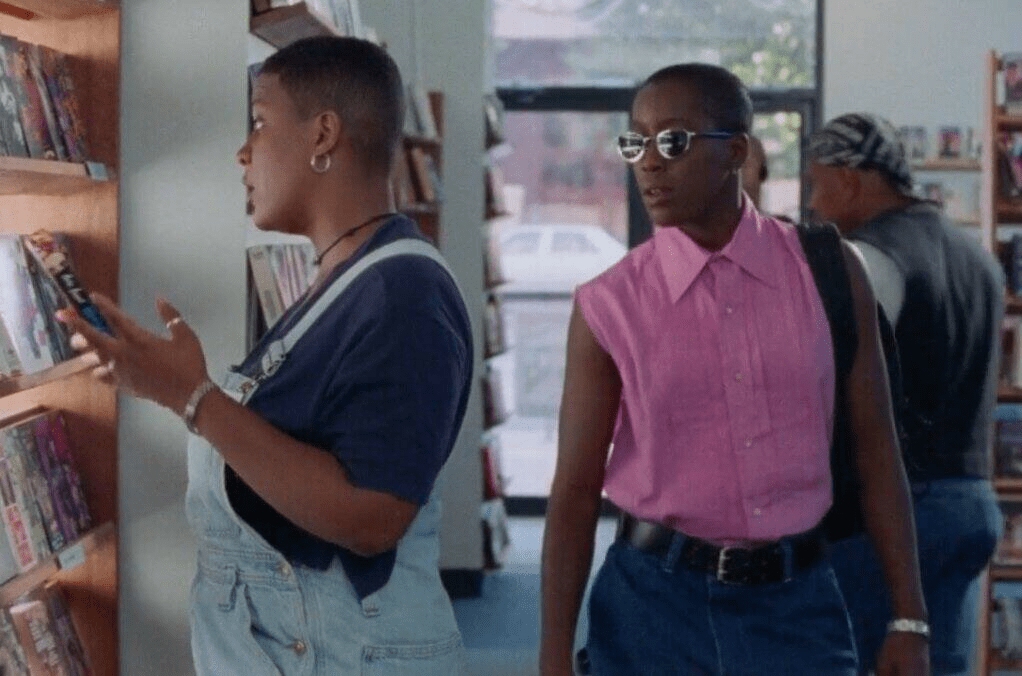
A funny and incisive film that adopts a quasi-documentary style to explore Writer/Director Cheryl Dunye’s struggles both as a Black lesbian and as a filmmaker. It only has an 85-minute runtime, yet it manages to pack so much in with how it explores Cheryl Dunye’s identity as a Black Lesbian woman as well as the struggles faced by many Black artists and filmmakers in the industry such as being relegated to gross stereotypes like the “mammy”. It is very much a 90s film, from the outfits to the humour of the film, but that doesn’t take away from the relatability of the characters and their struggles, nor from the importance of this film. Cheryl Dunye’s voice is assured and at the forefront of this film, and in a just world she’d have gotten a multi-picture deal off the back of this confident debut film but alas.
Rocks (2019)– Dir. Sarah Gavron, Writer Claire Wilson and Theresa Ikoko, Cinematographer Hélène Louvart
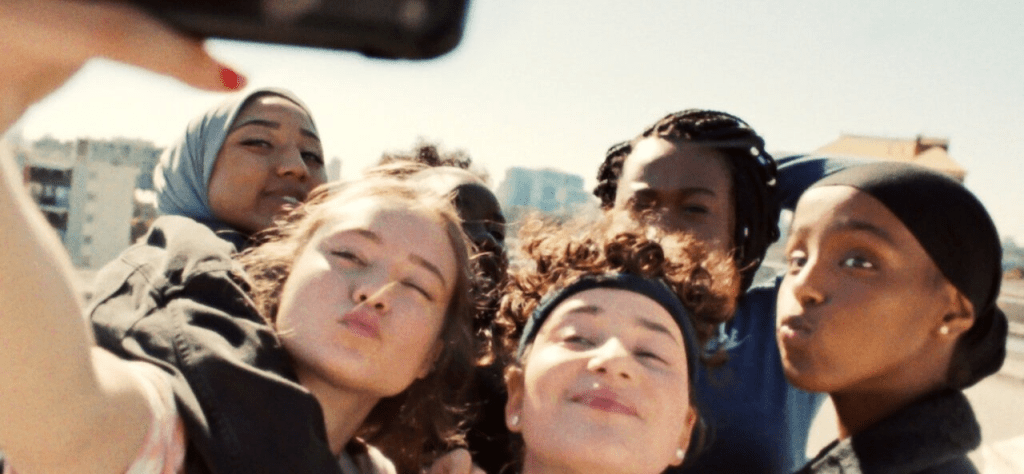
‘Rocks’ represents something rare in that it shows young (mostly) Black and Brown British girls who are not sexualised or brutalised, even though the story at the film’s centre is a heart-breaking one. The film feels grounded and authentic in how it represents young girls of colour, and this is down to the script penned by Claire Wilson and Theresa Ikoko, which doesn’t feature any of the stilted dialogue present in similar films written by out-of-touch adults trying to emulate how they think teenagers today all sound and speak, but also down to the wonderful first-time performances of the young cast that were endearing and naturalistic, helping to add to the authenticity of the film (the young cast also contributed to the dialogue/script). Despite the heartbreaking story at its core, the film is genuine and legitimately touching which is all down to the care and empathy with which everyone involved in making this film approached it .
The Handmaiden (2016)– Writer Seo-Kyeong Jeong, Based on Book by Sarah Waters, Cinematographer Chung-Hoon Chung
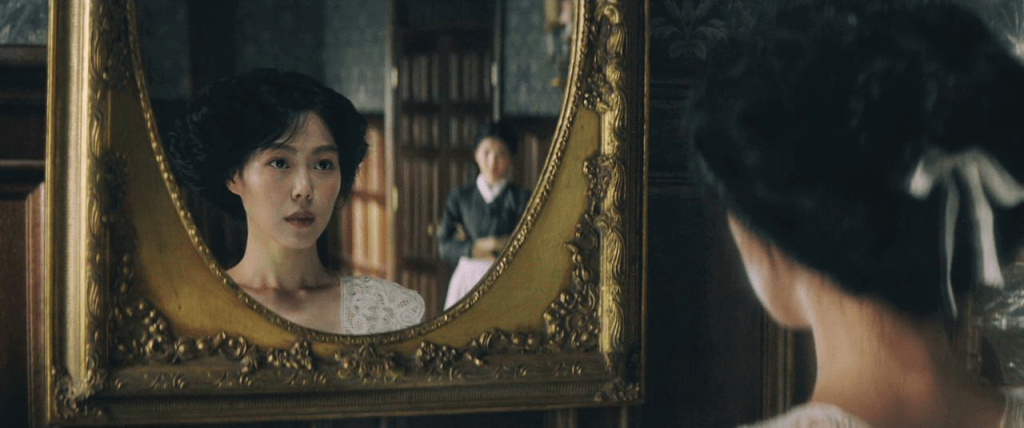
The Handmaiden is a good ol’ ‘I came into your life with malicious intent and discovered that I may be actually romantically interested in you’ a la Mr & Mrs Smith but just much better and much more gay. It is a wonderful story about double crossing that also highlights the status of women and the impact marriage had on their inheritance and estate in 1930s Korea. We so often only see life through our own perspective so I enjoyed the writer’s decision to switch perspectives between Sook-Hee and Hideko. It is one thing to tell different parts of a story from different vantage points, as inevitably you are still following a linear path to the same end goal/event, but to retell the same parts of the story from different characters’ perspectives is very interesting. It is very easy for that type of storytelling to become repetitive but I think the nature of constant double crossing in this story allows for us to always be on our toes. The film also does not shy away from lesbian intimacy, there are no pans away or shots framed to avoid showing certain things and while that may be unnerving to some, I think it is very important. Cinematographer Chung-Hoon Chung’s work in this piece is also a standout for me as I think it is for anyone who has seen it, it is gorgeous to look at at every turn and really helps to elevate Chan-wook Park’s directing.
Eternal Sunshine of the Spotless Mind (2004) – Cinematographer Ellen Kuras
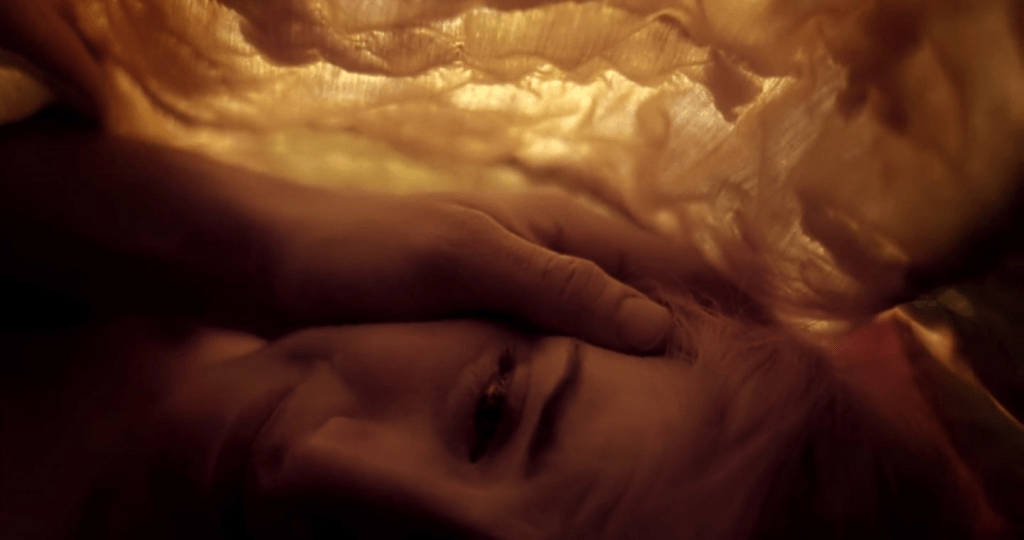
This oddball, soft Sci-Fi drama presents a very heart-wrenching look at romantic love; the ways in which it can be wonderful and life-affirming as well as the ways in which it can be ugly, heartbreaking and hurtful, but ultimately this films shows how it is better to have loved and lost than to have never loved at all. Its unique premise allows for the film to play around with the narrative structure and to have memorable, mind-bending sequences and montages that are scattered and confusing in the way human memory has a tendency to be, yet it’s all also akin to being in a dream which is all thanks to the impressive work of Ellen Kuras. The film features Jim Carrey in a rare dramatic performance and he, along with Kate Winslet, gave great performances and were able to masterfully portray the early, happy days of the relationship then the latter stages where the relationship was crumbling, all while showing us hints of how the relationship had been falling apart bit by bit all throughout.
–T and Thea


I hope I can watch some of these this month! I loooved The Handmaiden. I would reccomend Wadjda to you, such an amazing film and as an Arab I really felt it represented arab girlhood and all its challenges and joys so genuinely. I watched it alone and cried then watched it with my mom and we both cried. Very good movie. Let me know if you do watch it or have seen it!
LikeLike
I have not seen Wadja but it’s been added to my watchlist!- T
LikeLike